How to Effectively Disinfect Farms for Better Hygiene?
Farm disinfection is crucial in today's agricultural landscape. Clean environments reduce disease spread and improve animal health. A recent report by the World Organization for Animal Health highlights that effective disinfection can decrease disease outbreaks by up to 70%. This statistic underscores the importance of maintaining high hygiene standards on farms.
Dr. Alice Thompson, an expert in farm biosecurity, emphasizes the necessity of farm disinfection. She states, "Regular disinfection practices can be the difference between a thriving farm and one plagued by disease." Her insights demonstrate the critical role that farm disinfection plays in protecting livestock and crops.
Achieving effective disinfection is not without challenges. Many farms face gaps in knowledge and resources. These shortcomings can lead to inadequate disinfection practices, putting entire operations at risk. Identifying these weaknesses is vital for improvement. Addressing these concerns through expert guidance and standardized protocols can make a significant difference in farm hygiene.
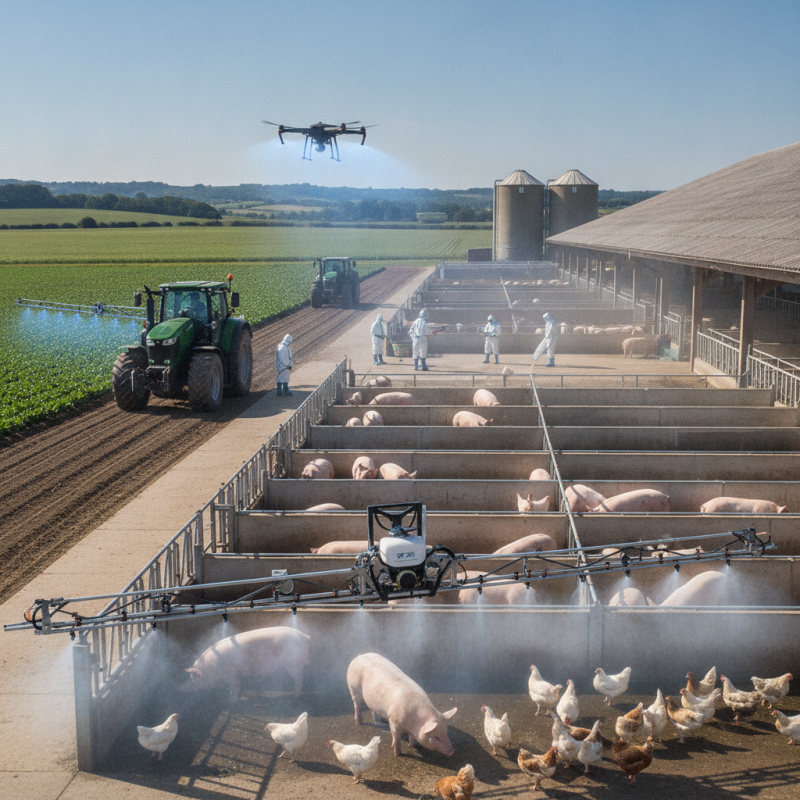
Understanding the Importance of Farm Disinfection for Health and Safety
Farm disinfection plays a crucial role in ensuring health and safety.
Without proper disinfection, farms can become breeding grounds for pathogens. Animals, crops, and equipment can harbor harmful microorganisms.
These can lead to diseases that impact livestock and crop yields. Healthy animals contribute to better food quality and consumer safety.
Farmers often overlook the need for routine disinfection. This neglect can lead to severe consequences.
Infected animals can spread diseases very quickly. It is essential to implement a regular cleaning schedule.
Using the right disinfectants, while following suggested protocols, can drastically reduce this risk. However, not every method is equally effective for all circumstances.
Farmers need to assess their specific environments regularly. Each farm presents unique challenges that must be addressed.
Making disinfection a priority takes commitment. Many farms may not have sufficient resources.
Limited knowledge about effective practices can also hinder efforts. Proper training and ongoing education are vital.
Investing in knowledge can lead to safer, more productive farming. With attention to cleanliness,
farms can thrive, promoting health for livestock, crops, and consumers alike.
Identifying Common Pathogens and Contaminants in Agricultural Settings
Identifying common pathogens and contaminants in agricultural settings is crucial for maintaining farm hygiene.
Bacteria, viruses, and fungi can spread rapidly, impacting both crops and livestock. Notable pathogens include E. coli and Salmonella, which thrive in unsanitary conditions. These microorganisms can contaminate soil and water, posing health risks to humans and animals alike. Inadequate waste management often acts as a breeding ground for these pathogens.
Pests are another concern. Insects can carry diseases from farm to farm, further complicating hygiene efforts. Additionally, feed and bedding materials may harbor spores or pathogens if not properly managed. Regular inspections and sampling can help identify these hidden threats. Farmers should consider adopting a proactive approach, integrating sanitation measures throughout the farming process. Small lapses in hygiene practices can result in significant contamination events.
Ultimately, the quest for better hygiene is ongoing. It requires constant vigilance and a willingness to adapt practices. Implementing rigorous testing and ensuring proper cleaning protocols can reduce risks. It's essential to continuously educate staff about emerging threats and best practices. Through ongoing assessment and adaptation, farms can enhance their hygiene standards and protect their produce.
Essential Tools and Supplies for Effective Farm Disinfection Practices
Disinfecting farms is crucial for maintaining hygiene and preventing disease. To begin, farmers must equip themselves with essential tools. High-pressure washers are vital. They effectively remove dirt and old disinfectants. Using these helps ensure that surfaces are thoroughly cleaned before applying any disinfectant solutions.
Chemical cleaners are another important supply. It's essential to choose effective products that are safe for both animals and crops. Always follow the application guidelines. Keep in mind that some areas may require repeated treatments. This could lead to a buildup of chemicals if not properly managed.
Protective gear is also necessary. Gloves and masks help ensure safety while handling cleaning agents. Farmers often overlook these tools, which can lead to health risks. Regular inspections of equipment are vital. They ensure that everything works as intended. This minimizes the risk of accidents and ensures a safer farming environment.
By focusing on these essential tools, farmers can enhance their disinfection practices and contribute to overall farm hygiene.
Step-by-Step Disinfection Procedures for Different Farm Areas
When disinfecting farms, different areas require tailored procedures. Begin with high-touch surfaces like gates and tools. Use diluted disinfectant solutions. Apply this mixture generously. Allow adequate contact time for effectiveness. Pay attention to often neglected spots, such as corners and underneath equipment.
Next, focus on animal housing areas. Remove bedding and waste first. Follow with a thorough wash using suitable detergents. After rinsing, spray disinfectant on all surfaces. Ensure you’re reaching walls and ceilings. Many farmers overlook these heights, which can harbor pathogens. Regular monitoring of these areas is crucial.
Lastly, examine feed storage and water supply systems. Clean these areas frequently to prevent contamination. Remove debris, and disinfect food containers. Regular checks for leaks and moisture build-up are essential. Neglecting these places can have lasting consequences on farm health. Engaging staff in these practices enhances awareness and accountability.
Farm Area Disinfection Effectiveness
This chart illustrates the effectiveness of disinfection procedures across various farm areas. The barn and equipment show the highest effectiveness, while the pasture is somewhat lower. Ensuring adequate disinfecting measures in all areas is crucial for improving overall farm hygiene.
Implementing Regular Monitoring and Maintenance for Sustainable Hygiene
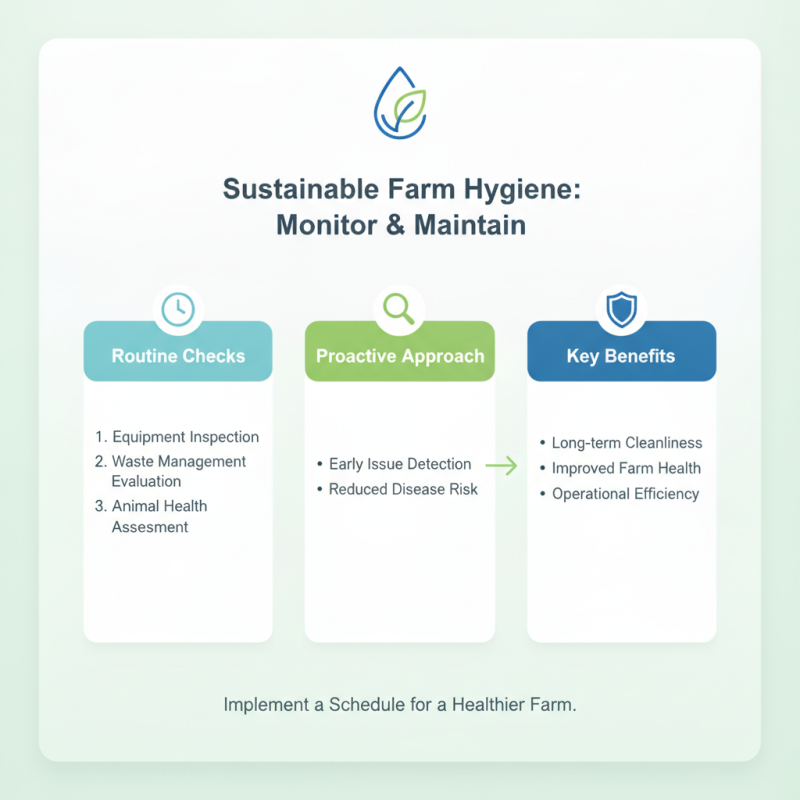
Regular monitoring and maintenance play crucial roles in achieving sustainable hygiene on farms. Implementing a schedule for routine checks helps identify areas needing attention. Tasks can include inspecting equipment, evaluating waste management practices, and assessing animal health. This proactive approach allows for early detection of potential issues, reducing the risk of disease.
Routine cleaning protocols should also be reviewed consistently. Disinfection methods may vary based on the type of facility and the animals housed. Using appropriate techniques can enhance effectiveness. However, farmers often overlook the importance of following up on these practices. Keeping records of maintenance activities can be a helpful reference for future efforts.
Feedback from farm workers can offer valuable insights into hygiene practices. They can point out spots that need more attention or improvements. Actively engaging with staff fosters a culture of hygiene awareness. This approach, while simple, can significantly enhance farm conditions and animal welfare. Balancing regular efforts with ongoing assessment is key to achieving lasting results.