How to Choose the Best Pond Disinfectant for Your Needs?
Choosing the right pond disinfectant is crucial for maintaining a healthy aquatic environment. A suitable disinfectant protects fish and plants while ensuring clean water. Different products offer various strengths, effectiveness, and ingredients. Understanding your pond's unique needs is essential.
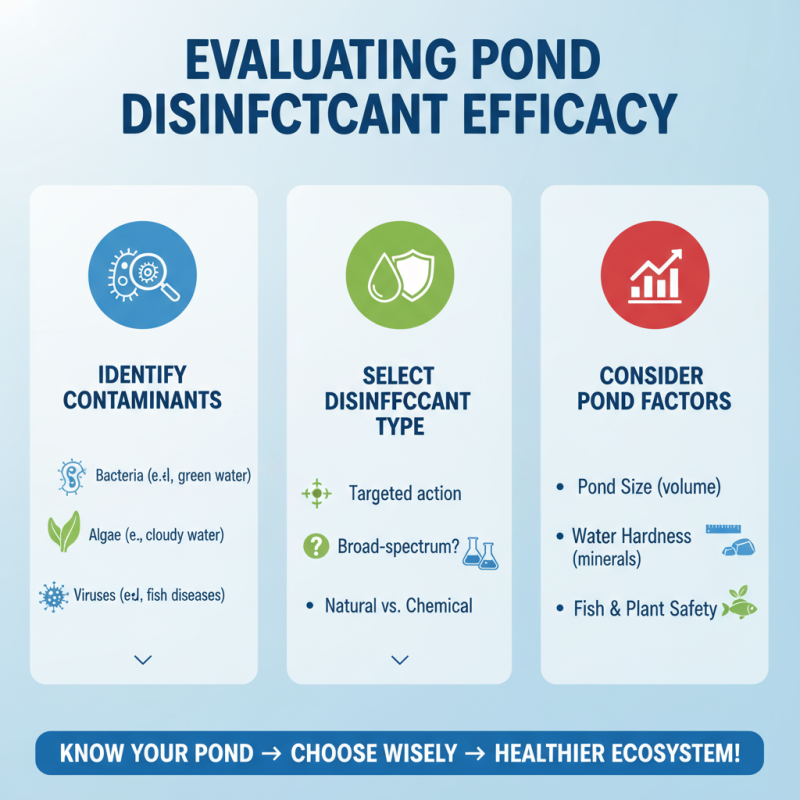
Several factors influence your choice. The size of your pond plays a role in determining dosage and application methods. The presence of certain algae or bacteria can guide you toward specific disinfectants. You may find options with natural ingredients or synthetic chemicals. Each has its benefits and downsides. Researching these products is vital for informed decisions.
Many pond owners overlook the importance of effective disinfectants. They may choose products based on popularity rather than individual pond conditions. This can lead to ineffective treatment and potential harm. Ideally, consult experts or trusted sources to navigate your options. The right pond disinfectant can enhance water quality, support aquatic life, and prevent issues.
Factors to Consider When Choosing a Pond Disinfectant
When selecting a pond disinfectant, several factors require careful consideration. Understanding the specific needs of your pond is crucial.
Assess the type of contaminants present, whether algae, bacteria, or organic debris. Different disinfectants target different issues. A thorough analysis of the pond's environment is essential to make an informed choice.
Water conditions play a significant role. pH levels, temperature, and the presence of aquatic life influence the effectiveness of disinfectants. Some harsh chemicals can harm fish and plants.
It’s vital to choose a product that is safe for your ecosystem. Conduct tests regularly to ensure compatibility with your pond's inhabitants.
Also, consider the application method. Some disinfectants require dilution, while others are ready to use. Assess your willingness to invest time and effort in treatment.
Economic factors should not be ignored, as different products vary in cost and application frequency. A long-term investment in pond health may be worthwhile. Reflect on these details to decide what works best for your unique pond environment.
Types of Pond Disinfectants Available on the Market
Choosing the right pond disinfectant is essential for maintaining a healthy environment for your aquatic life. Several types of disinfectants are available, each with unique properties. Understanding these types can guide you in making an informed decision.
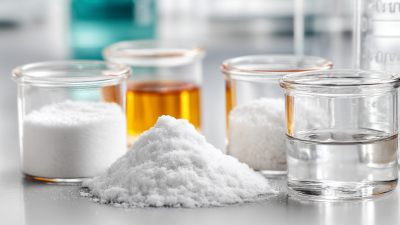
Chlorine-based disinfectants are popular but should be used carefully. They work effectively against bacteria and algae but can harm fish if not managed well. Ensure you follow dilution instructions closely. On the other hand, hydrogen peroxide is a safer option. It breaks down quickly and has minimal long-term effects on pond life. However, its effectiveness diminishes in very dirty water.
Another option includes copper-based solutions. While potent against algae, they can be toxic to some aquatic species. Always check compatibility with your pond's ecosystem. Finally, consider using eco-friendly alternatives. Natural substances may take longer to work but are gentler on wildlife. Reflect on your specific pond conditions before selecting a disinfectant. Each choice has trade-offs that require careful consideration.
Safety Considerations for Aquatic Life and Humans
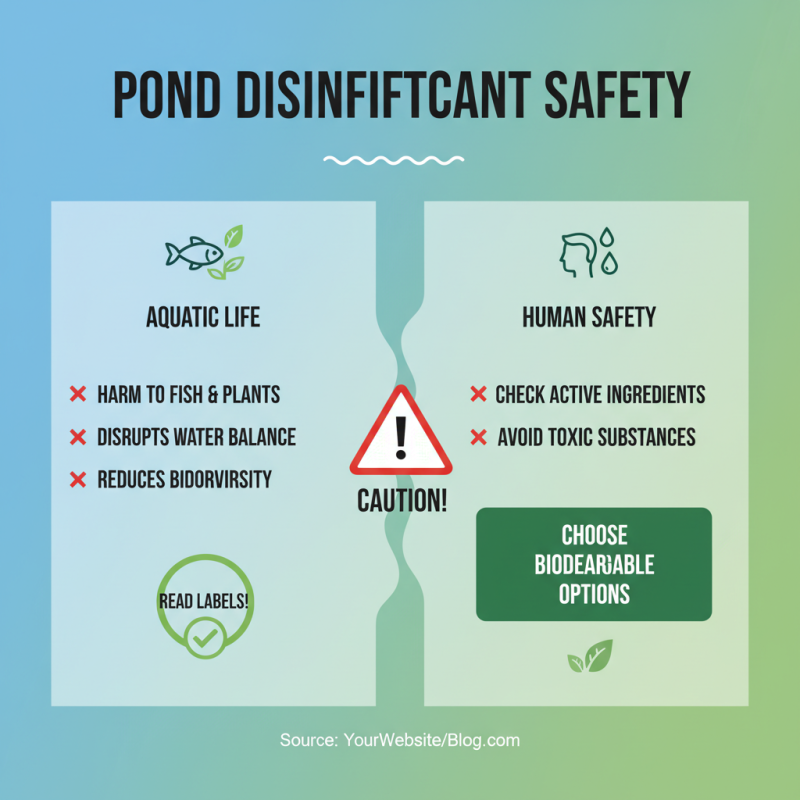
When choosing a pond disinfectant, safety for aquatic life and humans is paramount. Many disinfectants can harm fish and beneficial plants. It's essential to read labels carefully and understand the active ingredients. Some substances may be effective against harmful pathogens but can also negatively affect water balance and biodiversity. Therefore, consider using biodegradable options that are less toxic.
Tips: Always test a small area before full application. Monitor your pond’s reactions closely after using any disinfectant. If there are signs of distress in aquatic life, reconsider your choice.
Moreover, ventilation is crucial. Using disinfectants in poorly ventilated areas can pose health risks. Ensure you wear protective gear and keep pets away during application. The water clarity may improve, but this should not compromise safety.
Choosing the right disinfectant requires both caution and consideration. Knowledge about local aquatic ecosystems can guide your decision. Reflect on the long-term effects on your pond’s health. Each choice can lead to different outcomes for all pond inhabitants.
Application Techniques for Effective Pond Disinfection
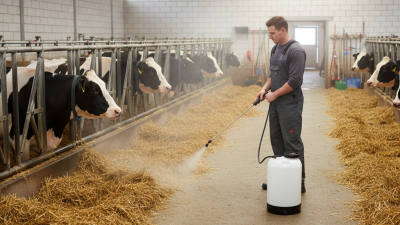
Effective pond disinfection is vital for maintaining a healthy aquatic environment. The application techniques you choose directly impact the effectiveness of the disinfectant. For instance, applying the disinfectant evenly across the pond surface ensures that all areas receive the necessary treatment. This can be achieved using a sprayer or by simply broadcasting the disinfectant by hand, depending on the size of the pond.
Another crucial technique involves the timing of the application. Early morning or late afternoon are ideal times because lower temperatures minimize evaporation. Additionally, consider the wind conditions. A still day helps to prevent the disinfectant from dispersing too much, allowing for better contact with contaminants.
Pay attention to the manufacturer's guidelines for mixing and dilution ratios. This is where many pond owners can make mistakes. Over-concentrating the disinfectant can harm aquatic life instead of helping it. Always test a small area if uncertain. This cautious approach can help refine your technique and improve results over time. Each pond is unique, so adaptive approaches can lead to better outcomes.
How to Choose the Best Pond Disinfectant for Your Needs?
This chart illustrates the effectiveness of various pond disinfectants based on different application techniques. The data shows the percentage of effectiveness in controlling algae and harmful bacteria.