How to Use Potassium Monopersulfate Disinfectant for Effective Cleaning?
Potassium Monopersulfate Disinfectant is gaining traction in cleaning applications due to its effectiveness and safety. This powerful oxidizer is particularly praised for its ability to eliminate bacteria, viruses, and fungi. A study published by the American Society for Microbiology indicated that potassium monopersulfate exhibits significant antimicrobial activity. This makes it a popular choice in various industries, including hospitality and healthcare.
With increased awareness of hygiene, many organizations are seeking reliable disinfectants. A report by the Centers for Disease Control and Prevention shows that proper disinfectant use can reduce pathogen levels on surfaces by up to 99%. However, not all disinfectants deliver consistent results. Misuse often leads to inadequate disinfection, highlighting the need for clear guidance.
Understanding how to use Potassium Monopersulfate Disinfectant effectively is essential. Proper dilution and application techniques can enhance its performance. In some cases, users may overlook important instructions, diminishing the product's efficacy. Thus, comprehending the details can make a significant difference in achieving desired sanitization levels.
What is Potassium Monopersulfate and Its Properties?
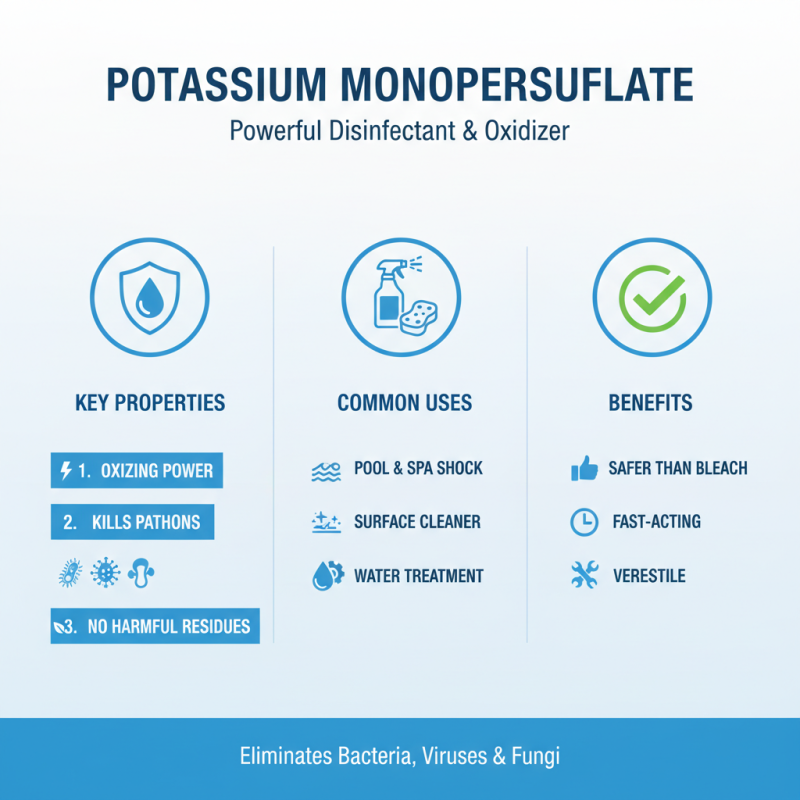
Potassium monopersulfate is a powerful disinfectant. It is often used in various cleaning applications. This compound features effective oxidizing properties. It can eliminate bacteria, viruses, and fungi from surfaces. Unlike traditional bleach, it does not produce harmful residues. This makes it a safer option for many environments.
The substance is also known for its stability. It decomposes into non-toxic byproducts. This means it is less harmful to the environment. In addition, potassium monopersulfate is versatile. It can clean pools, sanitize surfaces, and even treat wastewater. However, it is essential to handle it properly. Protective gear is recommended during use.
Despite its effectiveness, it is not a cure-all. Mixing it with incompatible chemicals can be dangerous. Users must follow guidelines to avoid unwanted reactions. The importance of proper dilution cannot be overstated. Overuse can lead to surface damage or diminished effectiveness. Always prioritize safety and accuracy.
Benefits of Using Potassium Monopersulfate as a Disinfectant
Potassium monopersulfate is gaining attention as a powerful disinfectant. It effectively eliminates a wide range of pathogens. This compound breaks down into non-toxic byproducts, making it eco-friendly. Its versatility allows for use in various settings, from swimming pools to kitchens.
One major benefit is its strong oxidizing properties. It effectively kills bacteria and viruses on contact. Furthermore, it works well in hard water. Unlike chlorine, it doesn't produce harmful chloramines. This is a significant factor, especially in water treatment industries. Additionally, potassium monopersulfate can enhance the efficacy of other sanitizers when used together.
In practice, it’s crucial to use the proper concentration. Misuse can lead to less effective results. Always follow guidelines on dosage and contact time. Remember, some surfaces may be sensitive to harsh chemicals. It’s vital to test a small area first. User feedback shows mixed results on its overall effectiveness. Ensuring the perfect application may require trial and error.
Step-by-Step Guide for Preparing Potassium Monopersulfate Solution
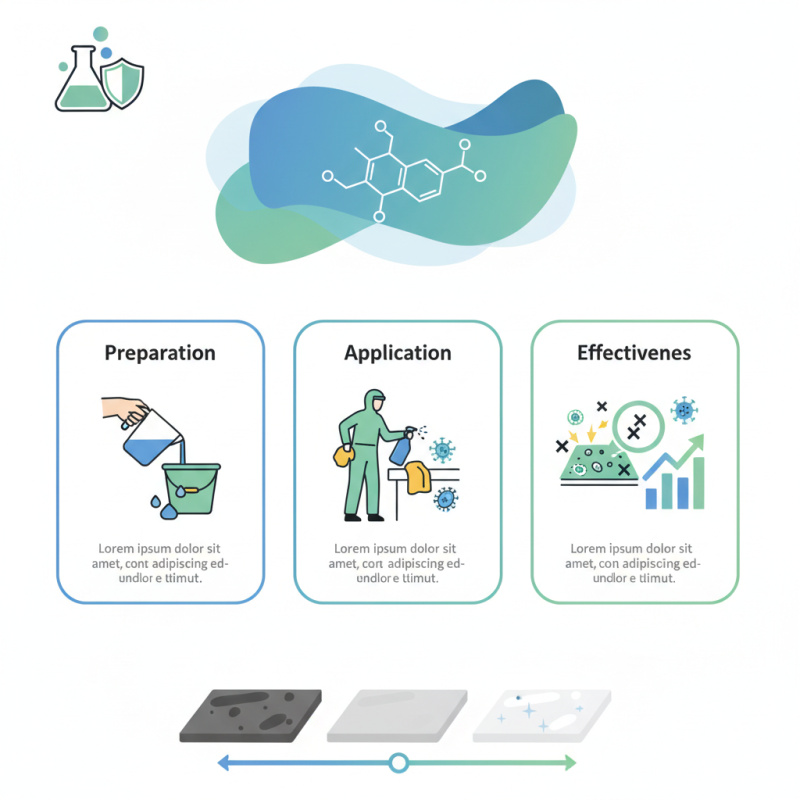
When preparing a solution of potassium monopersulfate for effective cleaning, accuracy is crucial. Start by using clean, non-reactive containers. Measure 1 part potassium monopersulfate to 4 parts water. Be mindful of the water temperature; cooler water tends to dissolve the powder better.
Stir the solution gently until the powder is fully dissolved. It may take a few minutes. You might notice some foaming; this is normal. Ensure that you wear gloves and a mask during this process. The dust can irritate your skin and lungs.
Once mixed, the solution should be used promptly for optimal effectiveness. Regularly check the solution for any signs of degradation. If it appears cloudy or discolored, discard it and prepare a fresh batch. Remember, safety comes first, so always follow best practices for handling disinfectants.
How to Use Potassium Monopersulfate Disinfectant for Effective Cleaning? - Step-by-Step Guide for Preparing Potassium Monopersulfate Solution
| Step |
Action |
Concentration (g/L) |
pH Level |
Contact Time (Minutes) |
| 1 |
Gather materials: potassium monopersulfate, measuring cup, water, container |
150 |
7.0 |
10 |
| 2 |
Measure 150 g of potassium monopersulfate |
150 |
7.0 |
10 |
| 3 |
Add potassium monopersulfate to 1 liter of water |
150 |
7.0 |
10 |
| 4 |
Stir the solution until fully dissolved |
150 |
7.0 |
5 |
| 5 |
Apply the solution to the surface to be cleaned |
150 |
7.0 |
10 |
| 6 |
Rinse with clean water after contact time |
N/A |
N/A |
N/A |
Application Methods for Effective Cleaning with Potassium Monopersulfate
Potassium monopersulfate is an effective disinfectant. Its application methods are key to achieving optimal cleaning results. You can use it in various cleaning scenarios, including hard surfaces and pool sanitization. According to a report by the Environmental Protection Agency, potassium monopersulfate demonstrates strong oxidizing properties, effectively eliminating a wide range of pathogens.
For surfaces, dilute the disinfectant according to the manufacturer's guidelines. A common mixture is one part potassium monopersulfate to ten parts water. Apply this solution using a spray bottle or mop. Allow it to sit for at least ten minutes. This will enhance its effectiveness against viruses and bacteria. When cleaning water systems, ensure proper dosing to maintain a balanced pH level.
**Tips:** Always wear gloves and goggles for protection while handling the product. Start with a small area to ensure compatibility with your surfaces. Test its effectiveness on various materials before a full application. Imperfect results might occur due to incorrect mixture ratios. Therefore, paying attention to measurements is vital for successful cleaning. Regularly reviewing application protocols can help identify areas for improvement.
Effectiveness of Potassium Monopersulfate in Cleaning Tasks
Safety Precautions When Using Potassium Monopersulfate Disinfectant
When using potassium monopersulfate disinfectant, safety is paramount. This chemical is effective but can cause skin irritation. Always wear gloves to protect your hands. Eye protection is also crucial. Splashes can lead to serious injuries. Inhaling dust from the powdered form can irritate your respiratory system. Using a mask is a smart precaution.
Ensure proper ventilation in your cleaning area. Open windows to allow fresh air to circulate. If you experience any discomfort while using the disinfectant, leave the area immediately. Rinse any skin contact with water for at least 15 minutes. If irritation persists, seek medical attention. Always keep this disinfectant away from children and pets. Education about handling chemicals is vital for safe usage.
Before mixing with other cleaning agents, read instructions thoroughly. Some combinations can be dangerous. Improper use of potassium monopersulfate can lead to unintended reactions. Reflecting on safety practices helps improve overall cleaning efficiency. Over time, many overlook safety measures. Consistent reminders can foster a safe cleaning environment.