Cleaning is essential for maintaining a healthy environment, and using Disinfectant Powder effectively can make a significant difference. Dr. Emily Harrison, a leading expert in sanitation, states, "The key to effective disinfection lies in knowing how to properly use your cleaning products." This highlights the importance of understanding the correct methods for utilizing disinfectants.
When using Disinfectant Powder, it’s crucial to follow the manufacturer's guidelines. This product is powerful but can be misused. For example, using too much powder can leave residues that attract dirt rather than eliminate it. Achieving the right balance is essential. Additionally, ensure the surface is pre-cleaned. Dust and grime can reduce the effectiveness of the disinfectant.
Let’s face it; we all have our cleaning shortcuts. However, effective cleaning with Disinfectant Powder demands time and patience. Many overlook critical steps, leading to subpar results. It is a learning process. Reflecting on past mistakes can improve one’s cleaning routine. Taking time to understand the product will ultimately enhance its effectiveness and ensure a healthier living space.

Disinfectant powders are versatile cleaning agents, effective against a variety of pathogens. They often contain active ingredients like sodium dichloroisocyanurate or calcium hypochlorite. These compounds break down into strong oxidizing agents when dissolved in water, killing bacteria and viruses upon contact. Understanding their composition helps users choose the right product for specific situations.
Not all disinfectant powders are created equal. For instance, a recent report from the Environmental Protection Agency noted that certain formulations are more effective in healthcare settings. In fact, using the appropriate concentration can enhance germ-killing capabilities by up to 90%. However, improper use can lead to ineffective disinfection. Workers must carefully measure and follow instructions, as overuse can leave residues harmful to surfaces and users.
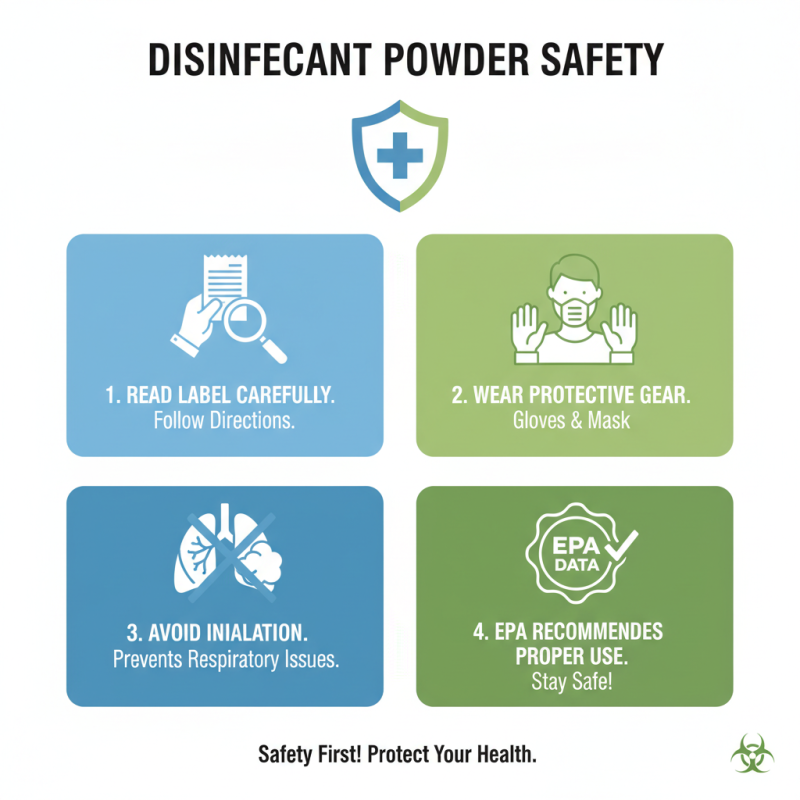
Furthermore, while disinfectant powders are potent cleaning tools, they require careful handling. Users must wear gloves and masks during application. Still, some people might overlook the need for safety gear. Understanding the risks is crucial. Learning how to use these products effectively can prevent accidents. Reviewing safety data sheets can guide users in their application methods for best results.
When using disinfectant powders, safety comes first. These products can be potent, and mishandling them might lead to health risks. Data from the Environmental Protection Agency (EPA) indicates that improper use can cause respiratory issues. It is essential to read labels carefully and follow directions. Wearing gloves and masks is often recommended for protection.
Proper ventilation is crucial when using these powders. Open windows or use fans to circulate air. The Consumer Product Safety Commission (CPSC) reports that inhalation of disinfectant dust may irritate the lungs. Inhalation risks are often underestimated. Avoid mixing disinfectant powders with other cleaning agents. This mistake can lead to dangerous chemical reactions.
Accidental spills can occur. In such cases, have safety materials like baking soda or sand on hand to neutralize any residues. Remember to store disinfectant powders out of reach of children and pets. A study from the American Association of Poison Control Centers shows that household cleaning products lead to thousands of poisonings annually. Always prioritize safety to minimize risks.
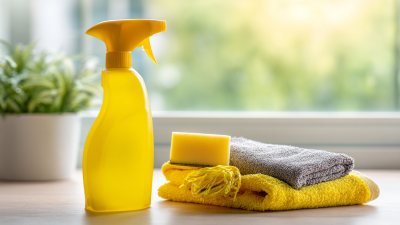
When using disinfectant powder, preparation is key. Start by reading the instructions carefully. Wear gloves and a mask if needed. This prevents irritation. Gather your supplies, including a spray bottle and clean cloths. Always have a dedicated area to work. Start with a small test on an inconspicuous surface to check for any adverse reactions.
Next, dilute the powder in water as directed. Pour the mixture into a spray bottle. Spray it evenly on the surface that needs cleaning. Let it sit for the recommended time. This step is crucial for maximum effectiveness. If you rush, you might miss out on its powerful disinfecting properties. After the wait, wipe the surface with a clean cloth. Ensure you remove all residue. If it's still sticky, you might have used too much powder. Adjust your ratio next time.
Finally, allow the area to air dry. This helps the disinfectant work even better. Regular practice makes perfect. You might not get it right every time. That's okay; learning through trial and error is part of the process. Your cleaning routine will improve with experience. Always reflect on what worked and what didn’t.
When using disinfectant powders, the dilution ratio is crucial. The effectiveness of these products depends on how well they are mixed. Different tasks may require different ratios. For general cleaning, a 1:10 dilution is often recommended. This means one part of disinfectant to ten parts of water. However, more difficult stains might need a stronger solution. Always start with a small test area to ensure safety and effectiveness.
Tips for mixing disinfectant powders:
Over-diluting the powder can reduce its efficacy. Conversely, too concentrated a mix can lead to residue. Finding the perfect balance may require some trial and error. Consider the surfaces you’re cleaning. Some materials might react poorly to stronger solutions. A cautious approach will help achieve the best results while ensuring safety.
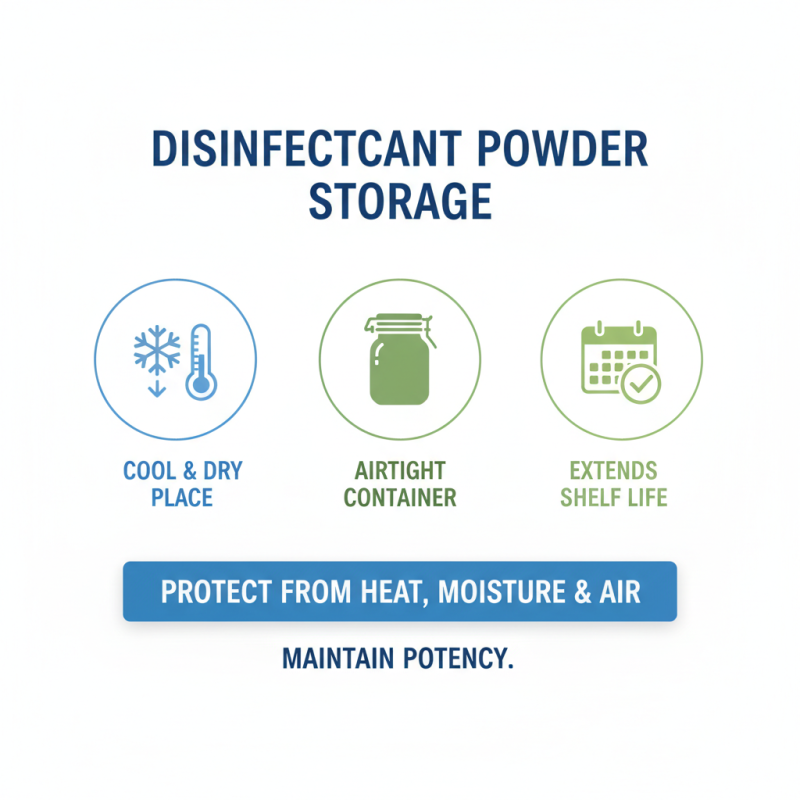
Storing disinfectant powder properly is crucial for its effectiveness. Always keep it in a cool, dry place. Heat and moisture can degrade its potency. Use airtight containers to protect it from air exposure. This simple step can extend its shelf life significantly.
Ensure that the containers are labeled clearly. This helps in identifying products quickly. A cluttered or unmarked space can lead to mistakes. Try to organize your cleaning supplies regularly. A tidy area makes it easier to find what you need when you need it.
Monitor the expiration dates on the packaging. Disinfectant powders can lose efficacy over time. A product that is past its prime may not deliver the desired results. If you notice any discoloration or clumping, it might be time to let it go. Regularly checking these details can save you from ineffective cleaning.