Top 10 Uses of Potassium Peroxymonosulfate for Buyers?
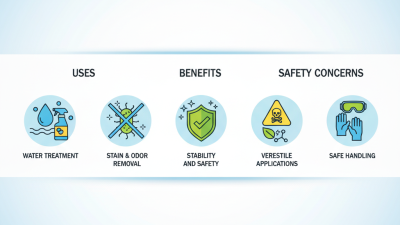
Potassium Peroxymonosulfate is a powerful oxidizing agent widely used across various industries. Its effectiveness in water treatment and disinfection has garnered significant attention. According to the latest market analysis, the demand for potassium peroxymonosulfate is projected to grow at a CAGR of 4.5% from 2023 to 2028. This growth reflects its rising adoption in cleaning applications and as an eco-friendly alternative to chlorine.
This compound is lauded for its versatility and safety. It decomposes into non-toxic byproducts, making it a preferred choice for consumers seeking sustainable solutions. However, despite its benefits, some industry professionals express concerns regarding proper handling and storage. Mismanagement can lead to unintended consequences, highlighting the importance of education on safe usage practices.
In industries like swimming pool sanitation and industrial cleaning, potassium peroxymonosulfate shows great promise. Its efficacy against harmful pathogens makes it an essential ingredient. Yet, buyers must understand its limitations and appropriate applications. Comprehensive knowledge of potassium peroxymonosulfate is key for maximizing its benefits while minimizing risks.

Overview of Potassium Peroxymonosulfate and Its Properties
Potassium peroxymonosulfate (PMS)
is a powerful oxidizing agent. Its chemical formula is KHSO5. This compound is known for its versatility and effectiveness in various applications. For instance, it is widely used in water treatment processes.
Studies show that PMS effectively eliminates contaminants and microorganisms. It achieves up to 99% reduction in certain pathogens in treated water.
PMS has unique properties that make it an attractive option in the cleaning and disinfection industries. It is stable, making it safer to handle compared to other oxidizers. Furthermore, PMS can act in a wide pH range, maintaining effectiveness under different conditions. According to a report by the American Chemical Society, the application of PMS in food safety has increased significantly. The need for eco-friendly alternatives in disinfection is driving this trend.
However, it's important to acknowledge the potential hazards associated with its use. Improper handling of PMS can lead to the release of harmful by-products. Users must ensure they follow safety guidelines. Maintaining an optimal concentration during applications is crucial to minimize risks. Clarity in usage instructions can help avoid common mistakes in application. This balance of benefits and risks reflects the need for more careful consideration in its application.
Common Applications of Potassium Peroxymonosulfate in Water Treatment
Potassium peroxymonosulfate (MPS) is becoming a popular choice in the water treatment sector. This compound acts as an effective oxidizer. According to recent industry reports, its usage has surged by approximately 20% in water disinfection processes. The compound effectively eliminates pathogens and organic contaminants without producing harmful by-products.
One of the most notable applications of MPS is in swimming pool maintenance. Chlorine may contribute to unpleasant odors and skin irritation. MPS offers a cleaner alternative, ensuring water safety while minimizing health risks. Studies indicate that pools treated with MPS require less frequent chemical adjustments, saving both time and resources.
In drinking water purification, MPS can improve chemical oxygen demand (COD) levels significantly. Reports highlight that using MPS can reduce COD by up to 60% in some water sources. However, it is essential to monitor its dosage carefully. Overuse can lead to unintended consequences, such as increased water acidity. This calls for a balanced approach when integrating MPS into existing water treatment systems. By navigating these challenges, water treatment facilities can harness the full potential of potassium peroxymonosulfate.
Uses of Potassium Peroxymonosulfate in Household Cleaning Products
Potassium peroxymonosulfate (PMS) is gaining popularity in household cleaning products. It’s a powerful oxidizing agent. Its capabilities extend beyond standard cleaning, effectively removing stains and disinfecting surfaces. Recent studies indicate that PMS can break down organic materials efficiently, making it highly effective in various cleaning applications.
In households, using potassium peroxymonosulfate can enhance the effectiveness of your cleaning routine. For example, PMS is effective against germs and bacteria, ensuring a hygienic living environment. Research shows that PMS solutions can deactivate viruses without harsh chemical residues. Its versatility allows it to be used in floor cleaners, bathroom cleaners, and laundry aids.
Tip: Always wear gloves when using cleaning products containing PMS. This helps protect your skin from irritation. Remember to ventilate the area well during use, as the product dissolves quickly and may release strong odors.
While PMS is effective, it’s essential to store it properly. Keep it in a cool, dry place away from direct sunlight. Over time, PMS can degrade, losing its effectiveness. A frequent oversight is mixing cleaning agents; avoid this to prevent unintended reactions. Consider testing a small area before widespread use to ensure compatibility.
Top 10 Uses of Potassium Peroxymonosulfate in Household Cleaning Products
Role of Potassium Peroxymonosulfate in Pool Maintenance
Potassium peroxymonosulfate (MPS) is vital in pool maintenance. This compound acts as an effective oxidizer, breaking down organic contaminants and ensuring crystal-clear water. Unlike chlorine, MPS doesn’t produce harmful byproducts. It keeps pools safe and inviting for swimmers. Regular use prevents algae growth and maintains a balanced chemical environment.
Tips: Always test your pool water before adding MPS. The ideal pH level should be between 7.2 and 7.8. MPS works best at this range. For best results, apply MPS during the evening. This timing allows it to break down contaminants overnight, reducing the need for additional shock treatments.
Using MPS isn’t without challenges. It requires precise application and knowledge of your pool's chemistry. Overuse can lead to imbalances, causing skin irritation for swimmers. Always follow guidelines for dosage. Keep an eye on the sanitizer levels. If they’re too low or too high, pool clarity may suffer. Balancing MPS with other chemicals is essential for optimal pool health.
Impact of Potassium Peroxymonosulfate on Industrial Processes and Safety
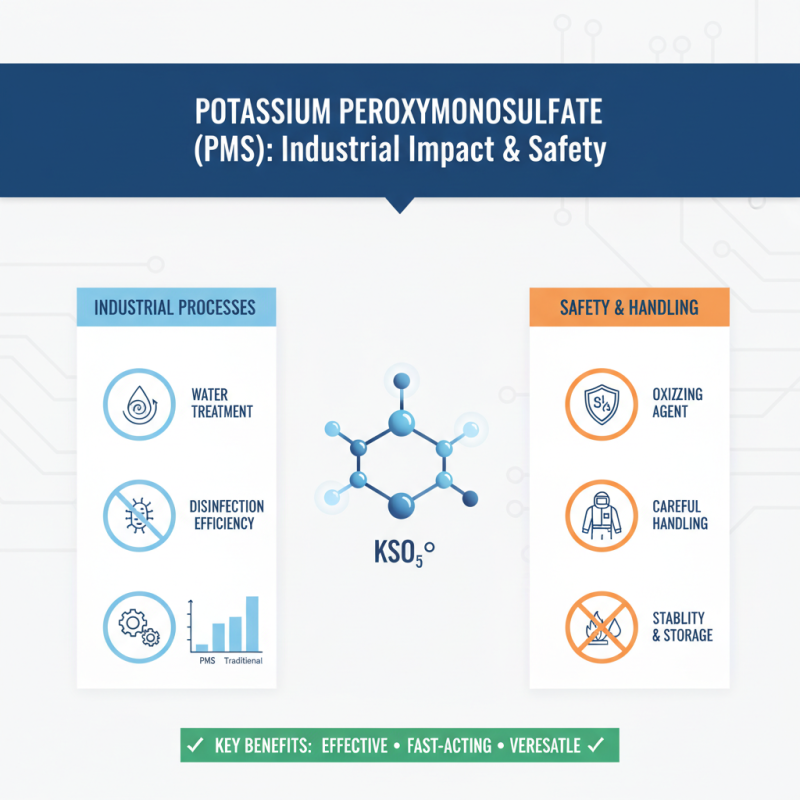
Potassium Peroxymonosulfate (PMS) has gained significant attention in industrial processes. Its effectiveness as an oxidizing agent makes it invaluable for various applications. Industries utilize it for water treatment, enhancing disinfection efficiency. PMS breaks down contaminants swiftly, often outperforming traditional methods.
However, safety considerations are paramount. While PMS is generally safe when used correctly, improper handling can lead to hazards. It is crucial to follow safety guidelines during storage and application. Adequate training for personnel is necessary to mitigate risks. Inadequate practices can lead to accidents, emphasizing the importance of education in safe chemical handling.
The potential environmental impact of PMS also warrants attention. While it decomposes into non-toxic byproducts, there could be unintended consequences depending on usage. Industries should assess their processes and remain vigilant. Reflection on past practices can lead to safer, more efficient uses of this versatile compound.