Why Is Potassium Monopersulfate Essential for Aquaculture Practices
The aquaculture industry has witnessed significant growth over the past few decades, contributing around $250 billion to the global economy in 2022, according to the Food and Agriculture Organization (FAO). With an ever-increasing demand for sustainable seafood production, aquaculture practices must continually evolve to meet the expectations for quality and safety. One pivotal element that has emerged as crucial in this context is potassium monopersulfate, a compound recognized for its efficacy in maintaining water quality and promoting fish health.
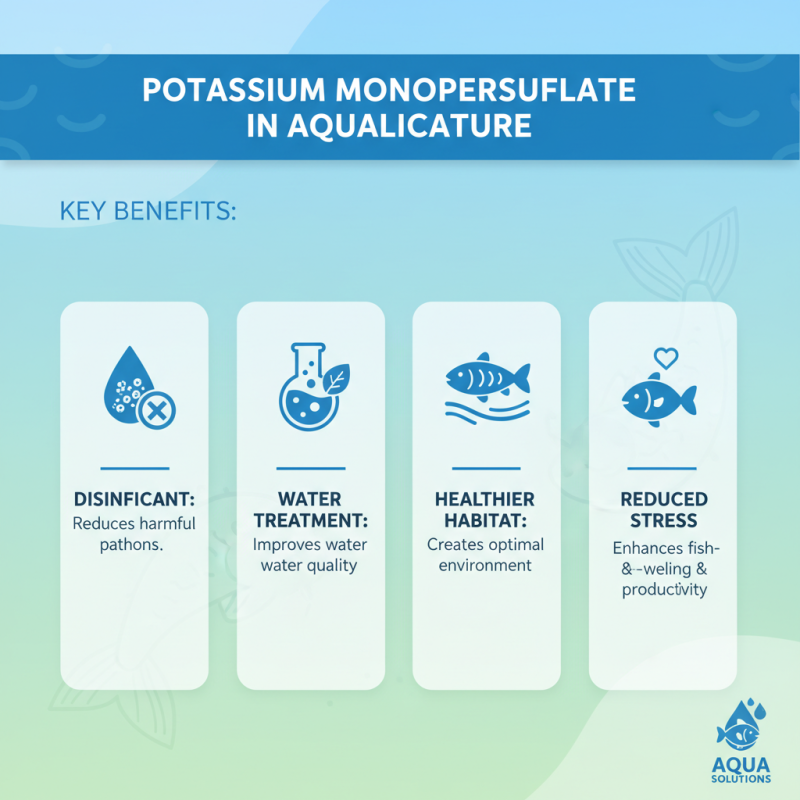
Potassium Monopersulfate Uses In Aquaculture are diverse, primarily due to its strong oxidizing properties that help in the disinfection of water and containment systems. It effectively reduces pathogenic microorganisms, thereby minimizing disease outbreaks among aquatic species—a significant concern that can lead to substantial economic losses. Reports indicate that the use of potassium monopersulfate can decrease the prevalence of harmful bacteria by up to 90%, highlighting its importance as a biosecurity measure in aquaculture environments. Furthermore, it serves to enhance the efficacy of other water treatment methods, ensuring a healthier habitat for aquatic life, ultimately supporting higher yield and better quality produce.
As the aquaculture sector navigates the complexities of production sustainability and biosecurity, potassium monopersulfate stands out as an essential tool, promoting not only the health of aquatic species but also contributing to the overall viability and reputation of aquaculture practices worldwide. The integration of such innovative solutions is vital, as the industry seeks to balance economic demands with environmental stewardship.
The Role of Potassium Monopersulfate in Aquaculture
Potassium monopersulfate has emerged as an important compound in aquaculture practices due to its multifaceted role in maintaining water quality and promoting fish health. One of the principal functions of potassium monopersulfate is its ability to act as a powerful oxidizing agent that effectively reduces organic matter and harmful pathogens in aquatic environments. By breaking down residual organic waste, it helps in maintaining optimal water clarity and quality, which are crucial for the growth and survival of aquatic organisms.
Moreover, potassium monopersulfate plays a significant role in disease management. It can be utilized to disinfect and sanitize aquaculture systems, minimizing the risk of disease outbreaks that can devastate fish populations. The compound has been shown to enhance the immune responses of aquatic species, promoting overall health and resilience against environmental stressors and pathogens. Its use in aquaculture not only supports the sustainability of these practices but also contributes to the productivity and profitability of aquaculture operations by ensuring healthier stock and improved yields.
Benefits of Using Potassium Monopersulfate for Water Quality Management
Potassium monopersulfate, a powerful oxidizing agent, plays a crucial role in aquaculture practices, especially in water quality management. Its ability to effectively eliminate harmful microorganisms, organic matter, and contaminants from water systems makes it an invaluable tool for fish farmers and aquaculture professionals. By maintaining optimal water quality, potassium monopersulfate helps create a healthier environment for aquatic species, ultimately promoting their growth, survival, and overall health.
One of the primary benefits of using potassium monopersulfate is its ability to break down pollutants and improve water clarity. Unlike traditional disinfectants, it does not produce harmful by-products, which can adversely affect aquatic life. Additionally, its fast-acting nature ensures that water treatments are efficient and minimize disruption to the ecosystem. The reduction of harmful pathogens not only protects fish populations but also enhances the biosecurity of aquaculture facilities, allowing for more sustainable and profitable practices in the long run. This makes potassium monopersulfate an essential component in modern aquaculture for ensuring water quality management.
Impact on Pathogen Control in Aquaculture Systems
Potassium monopersulfate has gained significant attention in aquaculture systems due to its remarkable effectiveness in pathogen control. The primary benefit of this compound lies in its ability to generate active oxygen species upon dissolution in water. These species play a crucial role in disrupting the cellular integrity of various pathogens, including bacteria, viruses, and fungi that threaten aquatic organisms. By enhancing water quality and reducing pathogen load, potassium monopersulfate contributes to healthier aquatic environments and more sustainable farming practices.
Applying potassium monopersulfate in aquaculture also supports the reduction of disease outbreaks, which can devastate fish and shellfish populations. Low pathogen levels correlate with reduced stress on aquatic species, allowing them to grow more robustly and efficiently. Additionally, the usage of this agent can lead to the minimization of chemical treatments traditionally used for pathogen management, which often come with adverse side effects. The adaptability of potassium monopersulfate in various aquaculture settings establishes it as a vital tool for enhancing biosecurity and ensuring aquatic health.
Enhancing Fish Health and Growth with Potassium Monopersulfate
Potassium monopersulfate is increasingly recognized as a critical component in aquaculture, primarily due to its positive impact on fish health and growth. This powerful oxidizing agent serves several functions in aquatic environments, primarily as a disinfectant and water treatment agent. By reducing harmful pathogens and maintaining water quality, potassium monopersulfate creates a healthier habitat for aquatic species, which is essential for optimal growth and development. When water quality is enhanced, fish are less stressed, which significantly improves their overall well-being and productivity.
Moreover, potassium monopersulfate can promote better nutrient absorption in fish, aiding their growth rates. The compound facilitates a balanced aquatic ecosystem by controlling organic waste and promoting beneficial microbial activity. This balance is crucial, as it not only supports the fish's immune system but also enhances their feed conversion efficiency. Consequently, aquaculture operations can experience increased yields and healthier fish stocks, which are vital for both economic viability and environmental sustainability in the industry. By integrating potassium monopersulfate into aquaculture practices, producers can foster an environment that supports robust fish health and maximizes growth potential.
Sustainable Practices in Aquaculture: The Need for Potassium Monopersulfate
Sustainable aquaculture practices are increasingly essential as the demand for seafood rises while minimizing environmental impacts. Potassium monopersulfate has emerged as a critical component to enhance water quality and ensure the health of aquatic organisms. This compound acts as an effective oxidizing agent, which helps to control harmful pathogens and reduce organic matter in aquaculture systems. By improving water clarity and quality, potassium monopersulfate supports a healthier environment for fish and shrimp, leading to better growth rates and overall productivity.
Additionally, the use of potassium monopersulfate aligns with eco-friendly practices by reducing the reliance on traditional chemical treatments that may pose risks to both the aquatic ecosystem and human health. Its efficacy in breaking down pollutants and harmful microorganisms without introducing toxic residues makes it a sustainable choice for aquaculture operations. As the aquaculture industry evolves, the adoption of safe and environmentally responsible additives like potassium monopersulfate will be crucial for maintaining balance within aquatic ecosystems and supporting the long-term viability of fish farming practices.