What Are the Key Uses of Potassium Monopersulfate in Aquaculture?
The significance of Potassium Monopersulfate uses in aquaculture cannot be overlooked. This compound is widely recognized for its disinfectant properties, making it essential for maintaining water quality in fish farming. Effective water treatment promotes healthy aquatic environments, directly impacting fish growth and survival rates.
In aquaculture, Potassium Monopersulfate serves diverse purposes. It aids in controlling pathogens that threaten fish populations. Additionally, it helps in managing organic waste, thereby reducing the risk of disease. In practical terms, the application rates may vary based on specific water conditions and requirements, necessitating careful consideration.
Despite its benefits, there are challenges to its usage. For instance, overuse can lead to chemical buildup, which may harm aquatic life. Aquaculturists should remain vigilant, ensuring proper dosage and application timing. Mistakes can lead to significant setbacks in fish health. Understanding Potassium Monopersulfate uses in aquaculture requires continuous learning and adaptation.

Key Properties of Potassium Monopersulfate in Aquaculture
Potassium Monopersulfate, known for its strong oxidative properties, plays a vital role in aquaculture. It acts as a water treatment agent, helping to maintain a healthy aquatic environment. This compound effectively reduces harmful bacteria and pathogens, ensuring safer conditions for fish and shrimp farms. Reports indicate that proper usage can enhance survival rates by up to 30% in stressed aquatic species.
Moreover, potassium monopersulfate is recognized for its ability to decompose organic matter quickly. This property is crucial in aquaculture, where waste accumulation can lead to oxygen depletion, affecting aquatic life. In a controlled environment, this compound can reduce biological oxygen demand (BOD) significantly. Some studies report up to a 60% decrease in BOD levels, promoting cleaner water.
However, it is essential to address the potential for overuse. Excessive application can lead to imbalances in water chemistry. This can harm beneficial microorganisms, which play a critical role in the ecosystem. As aquaculture practices evolve, careful monitoring and balanced use of potassium monopersulfate are essential for sustainable results. The challenge remains to find the optimal dosage that maximizes benefits without adverse effects.
What Are the Key Uses of Potassium Monopersulfate in Aquaculture? - Key Properties of Potassium Monopersulfate in Aquaculture
| Property |
Description |
Use in Aquaculture |
| Oxidizing Agent |
Potassium monopersulfate acts as a strong oxidizer. |
Used for disinfection of water and equipment. |
| pH Stability |
Maintains effectiveness across a range of pH levels. |
Helps control algae and pathogens in varying water conditions. |
| Safe for Fish |
Non-toxic at recommended doses. |
Used in aquaculture systems without harming aquatic life. |
| Broad Spectrum Activity |
Effective against a wide range of pathogens. |
Reduces disease outbreaks in fish and shrimp. |
| Residue-Free |
Breaks down into harmless byproducts. |
Suitable for organic aquaculture practices. |
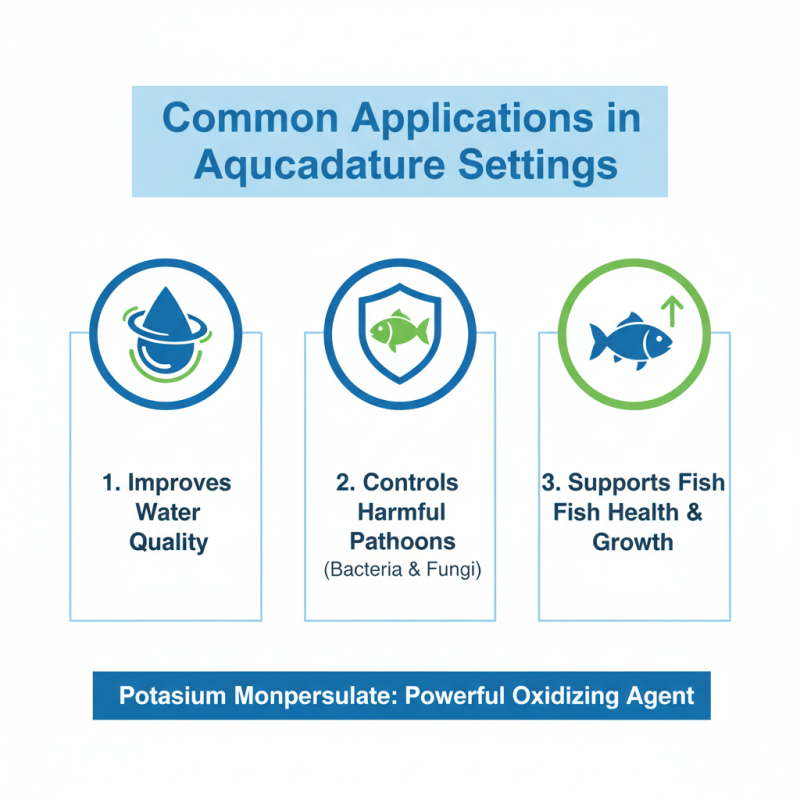
Common Applications in Aquaculture Settings
Potassium monopersulfate is a valuable chemical in aquaculture. It functions mainly as an oxidizing agent. Many aquaculture settings use it to improve water quality. It helps control harmful bacteria and fungi. The improved water conditions support fish health and growth. Striking the right balance is crucial for optimal results.
Another common application is disease management. Many aquaculture facilities face outbreaks. Potassium monopersulfate helps manage these issues effectively. When applied correctly, it can reduce mortality rates. However, overuse can pose risks. It’s essential to monitor dosages carefully. Fish are sensitive, and too much of anything can lead to stress.
Moreover, it aids in organic matter breakdown. Uneaten feed and waste can pollute the environment. By promoting microbial activity, potassium monopersulfate reduces this buildup. Yet, this approach requires further investigation. Researchers continue to explore the best practices for usage. Each aquaculture setting is different, demanding tailored protocols.
Benefits of Using Potassium Monopersulfate for Water Quality Management
Potassium monopersulfate is beneficial for water quality in aquaculture. It acts as a powerful oxidizer. This compound helps control harmful pathogens in fish farms. When used properly, it can reduce disease outbreaks. Healthy fish are less likely to suffer from infections.
Maintaining optimal water quality is crucial for aquaculture. Poor water conditions can lead to stress and illness in aquatic animals. Potassium monopersulfate assists in reducing organic waste. It breaks down harmful substances in the water. However, overuse can disrupt the aquatic ecosystem. Finding the right balance is essential. It raises important questions about dosage and timing.
Fish farmers often rely on potassium monopersulfate. It aids in algae control, ensuring a balanced environment. Clear water supports fish growth and feeding. Yet, users must monitor its impact on water chemistry. Regular testing is needed to avoid potential side effects. The benefits are evident, but caution is necessary.
Impact on Fish Health and Disease Prevention
Potassium monopersulfate serves as a vital tool in aquaculture. Its role in improving fish health cannot be overstated. Effective during disease outbreaks, it enhances resistance in fish populations. This compound works by oxidizing harmful pathogens. As a result, it reduces disease transmission in aquaculture environments.
Maintaining water quality is crucial for fish health. Potassium monopersulfate aids in breaking down organic matter. This helps to reduce harmful bacteria levels. Improved water quality leads to healthier fish and increased growth rates. Fish are more resilient against infections when their environment is optimal.
Tips: Test water regularly for contaminants. Adding potassium monopersulfate can reduce disease risk. Monitor fish behavior for signs of stress. A proactive approach can save both fish and time. Remember, a clean environment is key to thriving aquaculture practices.
Key Uses of Potassium Monopersulfate in Aquaculture