Best Pig Pen Disinfectant for 2026 How to Choose the Right One?
In the ever-evolving pig farming industry, choosing the right Pig Pen Disinfectant is crucial for maintaining optimal health. Dr. Emily Carter, a leading expert in livestock sanitation, emphasizes, “A clean environment is vital for pig health and productivity.” As we look ahead to 2026, the options for disinfectants are expanding, but so are the challenges.
Selecting an effective disinfectant requires careful consideration of active ingredients, compatibility with equipment, and safety for the animals. Many farmers may overlook these details, leading to inadequate sanitation practices. A product that excels in one area might fail in another, prompting a need for thorough testing and evaluation.
As the threat of diseases grows, farmers must approach disinfectant selection with a mix of caution and confidence. The right choice can protect livestock and impact overall farm success. However, the market's overwhelming variety can create confusion. It’s essential to seek reliable information and expert advice, always keeping animal welfare as the top priority.
Best Pig Pen Disinfectants: Key Ingredients to Look For
When selecting a pig pen disinfectant, key ingredients play a crucial role. Look for products containing quaternary ammonium compounds. These are effective against many pathogens including bacteria and viruses. Another important component is hydrogen peroxide. It breaks down organic matter, ensuring thorough cleaning.
Tips: Always check the active ingredient list. Not all disinfectants are equally effective. Some might target specific pathogens while lacking in others. Evaluate your pig pen's specific needs before purchasing.
Consider the concentration of the ingredients too. Higher concentrations may offer better efficacy, but they can also pose risks. Dilution rates are important. Be careful with mixing as incorrect ratios can diminish effectiveness.
A final thing to reflect on is the safety of the disinfectant. Choose products that are safe for animals and the environment. Residual chemicals in the environment can affect your pigs' health. Always follow application guidelines for best results.
Evaluating Disinfectant Efficacy: Contact Time and Surface Coverage
When evaluating disinfectants for pig pens, two critical factors stand out: contact time and surface coverage.
Contact time refers to how long a disinfectant needs to remain wet on a surface to effectively kill pathogens. For maximum efficacy, always check the manufacturer's guidelines.
Some disinfectants may require only 5 minutes, while others may need up to 30 minutes. Understanding these requirements is essential for proper sanitation.
Surface coverage is equally important. A disinfectant must be evenly applied to all surfaces to ensure no area is left untreated. Inadequate coverage can lead to persistent bacteria or viruses.
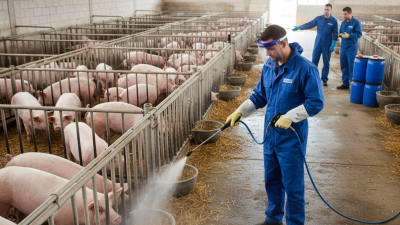
Use equipment that ensures a uniform application, such as spray systems or foam applicators. Pay close attention to hidden spots where germs may thrive.
Tips: Regularly evaluate your sanitation protocols. Are you allowing enough contact time?
Consider marking surfaces to track application areas. Conduct routine checks to verify that your methods are effective. Simple adjustments can improve overall hygiene and animal health.
Remember, consistent reflection on your practices can enhance outcomes.
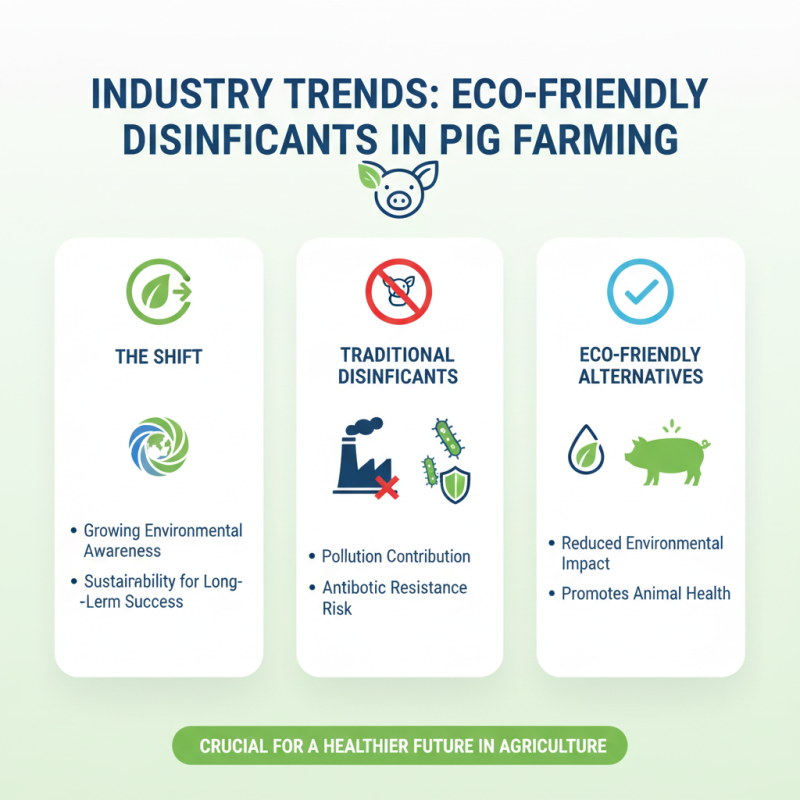
Industry Trends: Eco-Friendly Disinfectants in Pig Farming
In recent years, eco-friendly disinfectants are gaining traction in pig farming. Farmers are increasingly aware of the impact their practices have on the environment. Traditional disinfectants can be harmful. They may contribute to pollution and antibiotic resistance. This shift toward sustainability is crucial for long-term farming success.
When selecting a disinfectant, consider its ingredients. Many eco-friendly options utilize plant-based compounds. These are often safe for pigs and their environment. Some products are biodegradable, reducing waste. Look for certifications that indicate a product meets eco-friendly standards.
Tips: Test a small area before full application. This ensures compatibility with your facilities. Always follow the manufacturer's instructions for effectiveness. Regular cleaning routines also enhance the efficacy of any disinfectant.
It's important to remain mindful of industry trends. Increasingly, research shows a preference for non-toxic solutions. As more farmers adopt green practices, the market will likely see continual innovation. Awareness and education about these options can foster a healthier farming environment.
Cost-Effectiveness of Different Disinfectant Solutions for Pig Pens
When choosing a disinfectant for pig pens, cost-effectiveness is crucial. Research indicates that farmers can save up to 30% by selecting the right product. However, the initial cost is not the only factor to consider. The effectiveness of the solution against pathogens is equally important. According to a 2021 industry report, certain disinfectants can reduce bacterial loads by over 99% within minutes. Selecting a highly effective solution can lead to fewer diseases and lower veterinary bills in the long run.
In addition, looking at the concentration of active ingredients can help determine value. Some disinfectants require dilution, which may decrease their overall effectiveness. A study highlighted that products with higher concentrations of active ingredients often yield better results. Yet, they sometimes present a higher purchase price. Ensuring that the chosen disinfectant not only fits the budget but also maximizes health outcomes for the pigs should be a priority.
It's essential to balance cost with performance. Not all affordable options provide lasting benefits. Over time, some inexpensive solutions may require more frequent application, negating initial savings. This exploration of disinfectant choices is necessary for any operation aiming for optimal pig health and farm profitability.